
Can vacation rentals have surveillance cameras? This is a frequently asked question that plagues the minds of hosts who want to protect their property and guests who want to protect their privacy.
The answer is more than a simple yes or no, and the decision whether to use security cameras includes many factors that hosts should consider, from state laws to proper communication.
Why do hosts use security cameras at vacation rentals?
According to the 2022 State of the STR Community Report, about 42.2% of survey respondents said they use security cameras at their vacation rentals.
Installing exterior security cameras can help enforce city ordinances on parking, trash disposal, and nuisances such as excessive noise. A doorbell camera or street-facing camera, for instance, could help enforce parking rules such as no street-side parking or no blocking of neighbors’ mailboxes or driveways. They are a helpful tool in ensuring guests are good neighbors during their stay and therefore important to maintaining great relationships with your community.
Cameras also can help hosts protect their properties by enforcing house rules such as no-pet policies, bans on parties, or limits on the number of guests.
Respecting guests’ expectations of privacy
Most guests at vacation rentals have an expectation of privacy that is on par with staying in a private home, and it’s different from what they expect at a hotel.
At a hotel, guests might expect privacy in their room but not necessarily in the lobby, the hallways, or the elevator. In contrast, guests in a vacation rental behave similarly to how they would behave at home.
If vacation rental operators aren’t careful with cameras, they could alienate their guests or fall into some legal troubles, said Jeff Malarney, an attorney at Dare County Law and vice chair of the North Carolina Real Estate Commission.
Can vacation rentals have cameras?
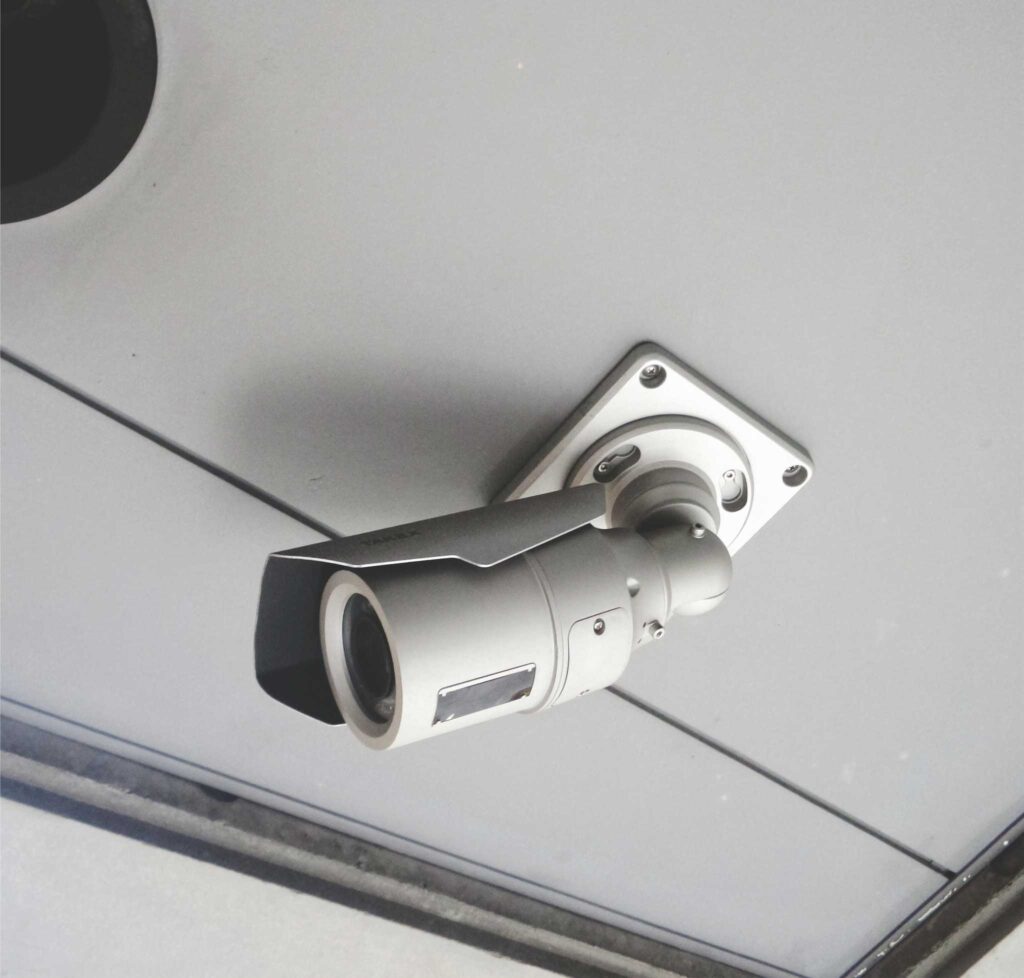
Security cameras are typically legal, but to protect yourself from liability, it’s important to know all of your local laws that could have any relationship with surveillance.
In North Carolina, for instance, no statute addresses the presence of security cameras or recording devices. The North Carolina Vacation Rental Act is silent on that topic. However, there is a law against secret peeping.
“You can’t install a camera to secretly peep on me and not disclose that,” Malarney said.
The North Carolina law is a criminal statute that can range from a Class A misdemeanor to a felony.
Find your local laws on surveillance and security cameras by searching the name of your state and “Code of Laws” or “Revised Statutes” as keywords. State laws typically live in an online database kept on your state legislature’s website. There, there’s typically a field where you can search the keyword “surveillance” to find your state laws pertaining to surveillance and security cameras. Consider consulting an attorney to be sure you’re following the letter of the law.
What are Vrbo and Airbnb’s policies on security cameras?
Short-term rental booking sites like Vrbo and Airbnb have guidelines for the use of surveillance devices. The guidelines address the interests of property owners, neighbors, and guests, and they provide a good framework for hosts no matter where they list their property.
Vrbo’s camera policy “allows reasonable monitoring of the outside of the property while still protecting privacy inside the home.” The policy prohibits image or audio recordings inside short-term rentals with the exception of smart devices. Smart devices may not be activated remotely and are only allowed when the guest is informed and has the option to deactivate the devices.
Surveillance devices, including security cameras and smart doorbells, are allowed outside the vacation rental when they are intended for security purposes only and the location and coverage of the devices are disclosed in the property description.
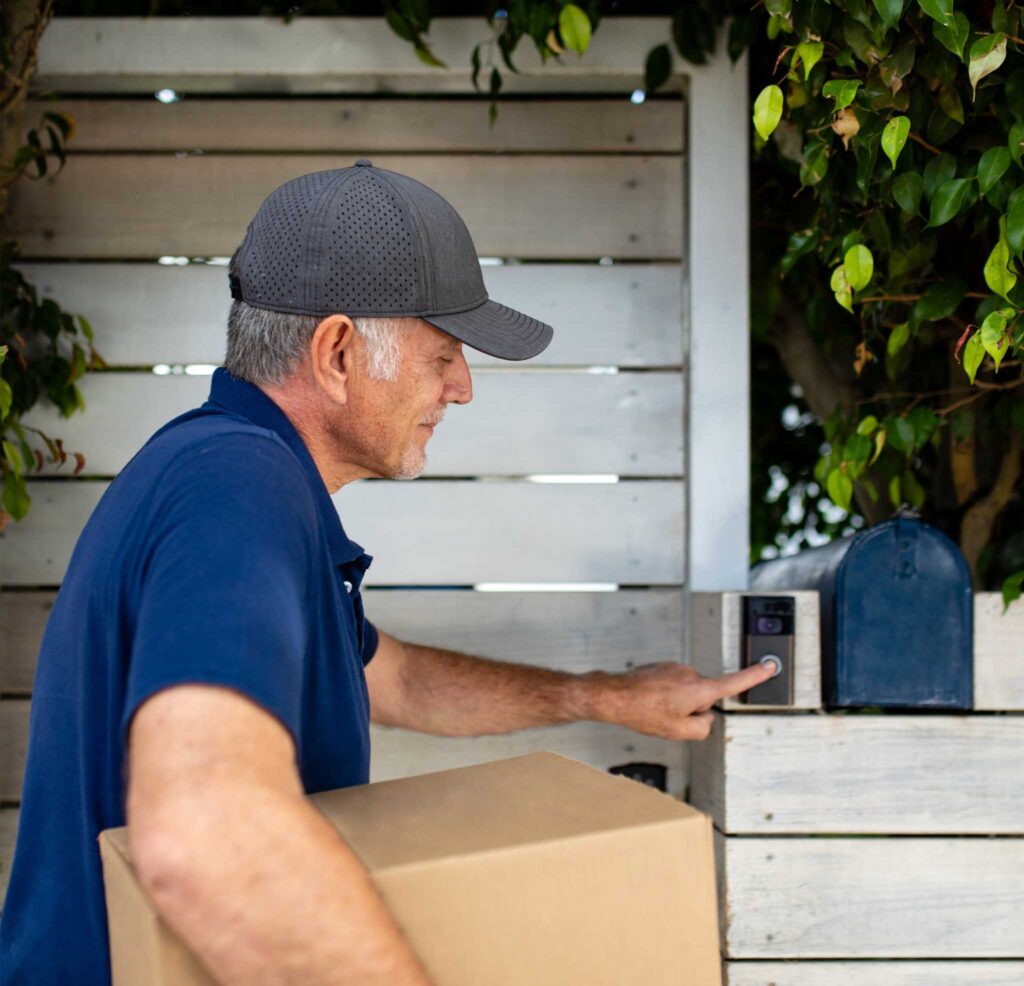
Outdoor cameras facing pools and hot tubs must be disclosed on the property details page and in a location at the home such as in the guest instructions binder, a notice posted on the wall of a high-traffic common space, or a placard next to the main entrance.
Malarney said cameras covering a pool and hot tub could be particularly problematic, especially if the guest doesn’t know about the camera or if the footage falls into the wrong hands, so weigh the potential costs and benefits of surveillance in those locations, Malarney said.
Violation of the surveillance policy could result in the host being required to refund the guest for the entirety of their stay or in removal of the property from the Vrbo platform.
Airbnb has a similar surveillance policy:
- Intentionally concealed recording devices (such as hidden security cameras) are never permitted
- In July 2024, Airbnb banned indoor security cameras in properties listed on their site globally
- You must indicate the presence of all security cameras or other recording devices in or around a listing, even if they’re not turned on or hooked up
- Undisclosed security cameras or other recording devices are never permitted
- You must also always disclose if an active recording is taking place
Disclose cameras before a guest books
It’s important to disclose the location and coverage of surveillance cameras before guests book a reservation; the guest shouldn’t find out upon or after arrival at the property, Malarney said.
“It’s a pretty stout argument: I have an expectation of privacy in the hallways and kitchen. Had I known there would be security cameras indoors, I wouldn’t have rented,” he said.
Use security cameras with care at your property
Choosing whether to use security cameras at your short-term rental is a decision that must be well-informed and transparent. Do your due diligence in understanding your local and state laws, and if you choose to use cameras, be upfront about that within your listing and house rules to head off risky bookings and maintain trust with guests.
From the Archives: How to make sure your short-term rental is compliant with local regulations